Safari and Travel Destinations
Uganda
The Pearl of Africa: Traveling to Uganda for a wildlife experience is sure to leave a lasting impact!




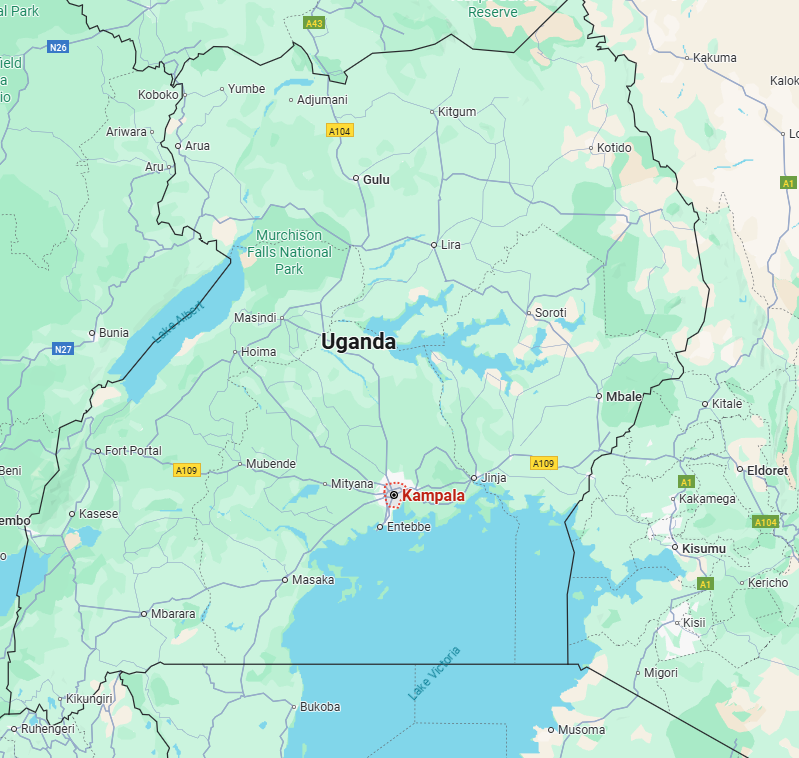
Uganda delivers Africa’s most intimate wildlife encounters within a compact territory. This landlocked gem hosts about half of the world’s remaining mountain gorillas primarily in its Bwindi Impenetrable National Park—around 500 individuals—across misty volcanic slopes where your expert tracker leads you through bamboo forests to meet silverback families. The Source of the Nile thunders over Murchison Falls while Nile crocodiles bask on muddy banks below. Uganda boasts ten incredible national parks where over 1,070 recorded bird species create a living symphony. Can you observing a silverback gorilla just meters away, knowing only a limited number of permits exist daily for this life-changing encounter?
Uganda is also affectionately referred to as the “Primate Capital of the World” due to its high concentration of primates in locations such as Kibale National Park, ensuring its significance as an unrivaled destination for primate viewing. Kibale Forest protects an estimated 1,500 chimpanzees—the highest density anywhere in East Africa—where habituated communities allow you to observe their natural behaviors. Bwindi Impenetrable Forest shelters more than four mountain gorilla families available for tracking; each encounter limited to one precious hour. Your private guide navigates ancient rainforests where colobus monkeys leap overhead and forest elephants create tunnels through dense vegetation.
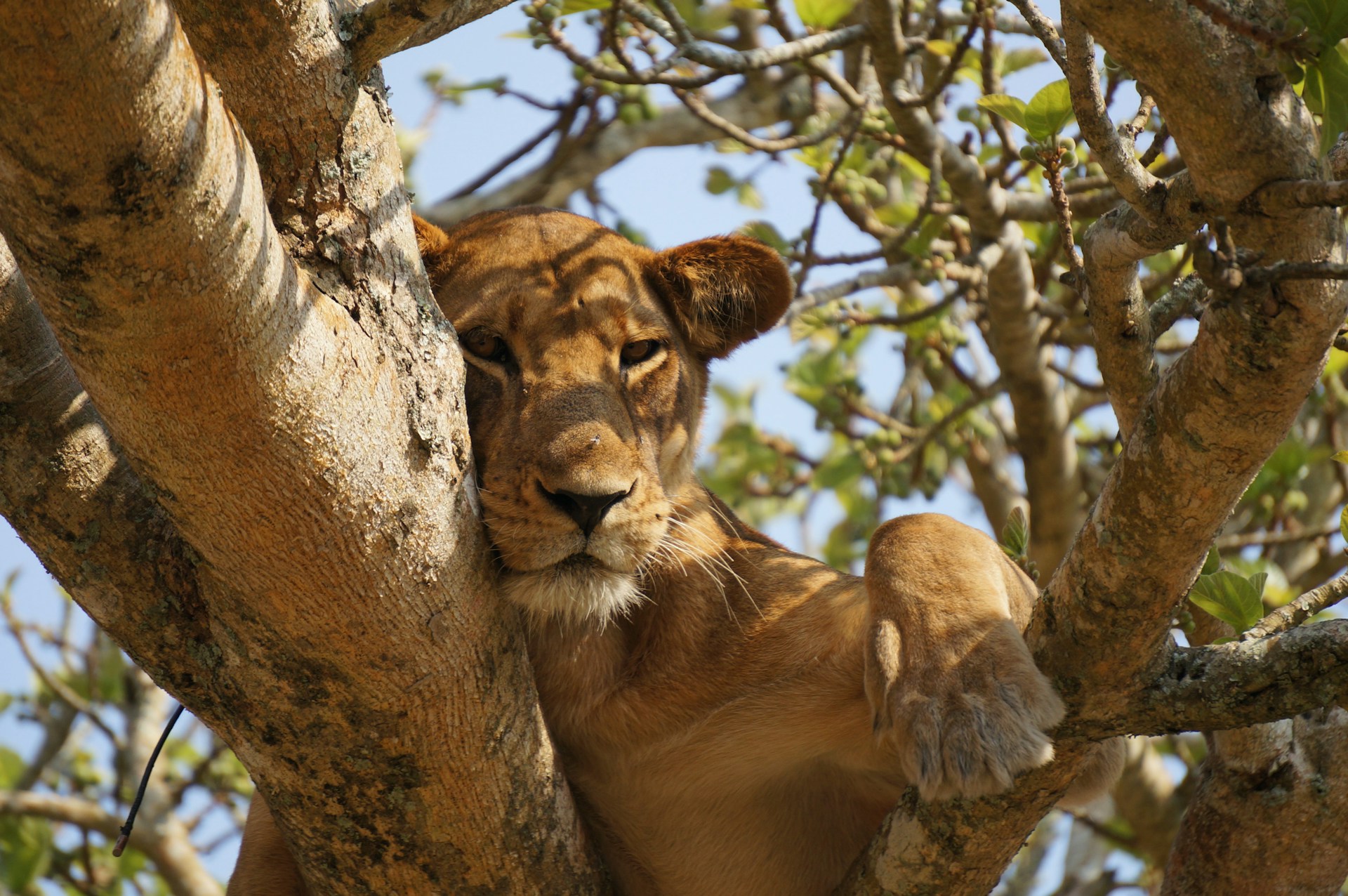
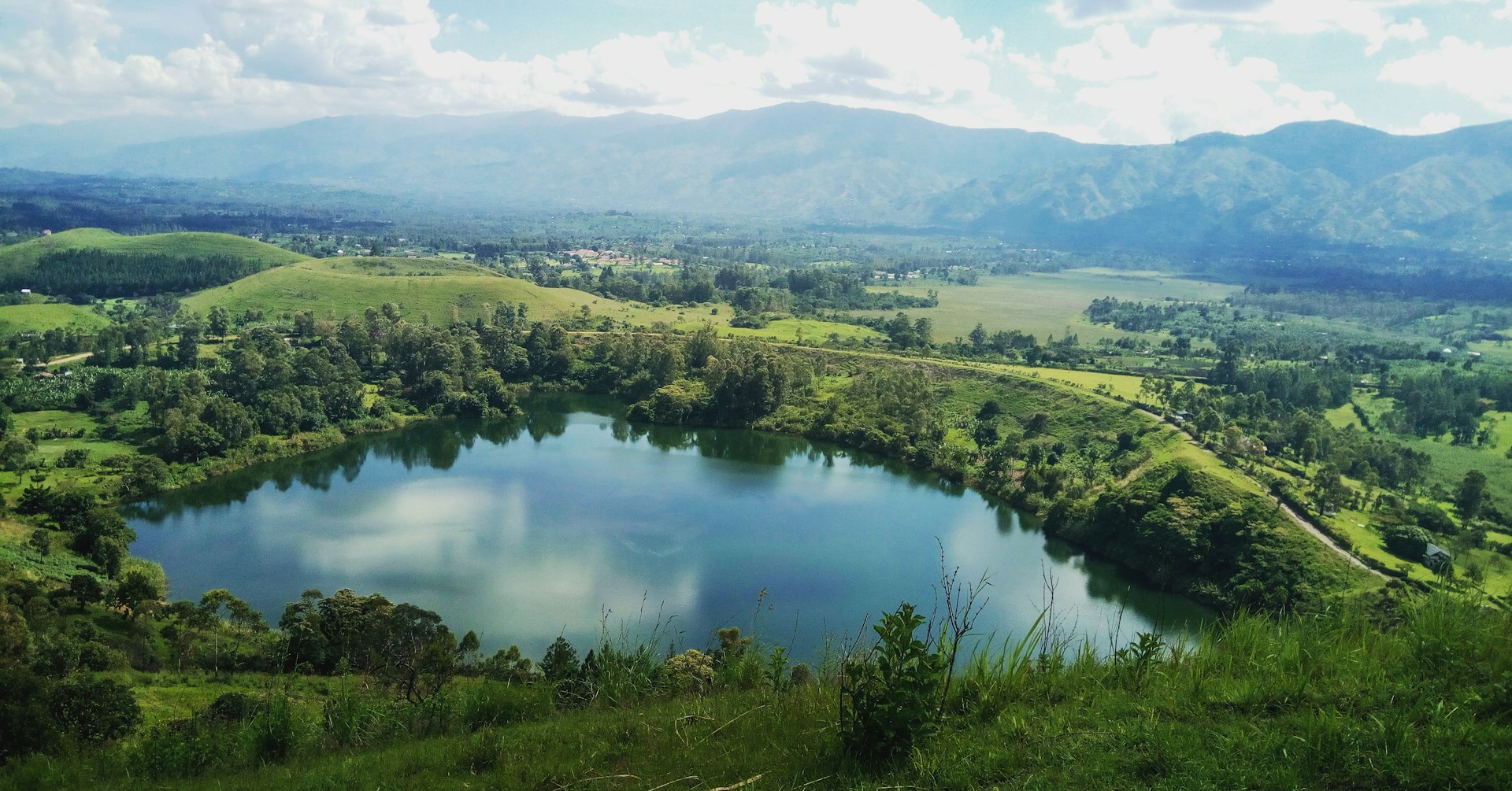
The country’s compact size maximizes your safari efficiency across landscapes ranging from savannas to snow-capped peaks. Queen Elizabeth National Park hosts tree-climbing lions in the Ishasha sector while the Kazinga Channel supports an estimated 2,000 and over 6,000 hippos and numerous massive Nile crocodiles. Lake Mburo National Park offers walking safaris and is a prime location for spotting both zebras and impalas. Primarily found in the western region of the country, close to Fort Portal and Kibale National Park, the country’s striking Rift Valley escarpment and crater lakes provide a geologically significant and scenic environment.
Uganda’s stable tropical climate makes for year-round accessibility, setting it apart from some other East Africa destinations that have more distinct wet seasons. Murchison Falls National Park showcases the Nile’s power as it squeezes through a seven-meter gap, creating the world’s most powerful natural water flow. Your boat safari positions you at unique vantage points, providing perfect opportunities for photography as you encounter elephants drinking at the river’s edge, and shoebill storks hunting in papyrus swamps.
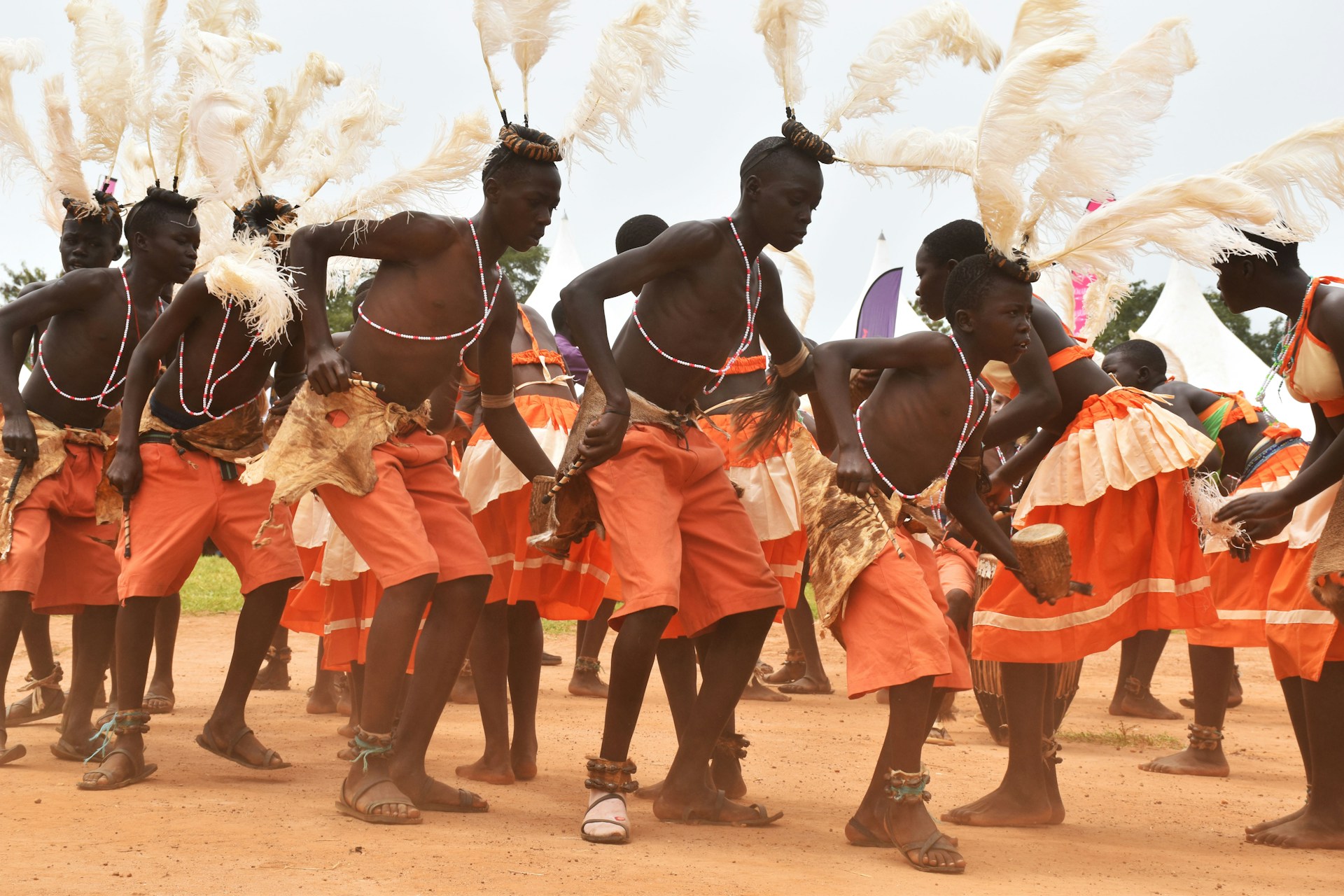
The Source of the Nile at Jinja offers adventure activities from white-water rafting to bungee jumping over the world’s longest river. Your cultural encounters with the Batwa people through guided forest walks reveal ancient forest traditions, while Kampala’s markets overflow with exotic fruits and handcrafted souvenirs. Uganda offers luxury safari experiences contributing directly to gorilla conservation efforts that have doubled populations over the last two decades.



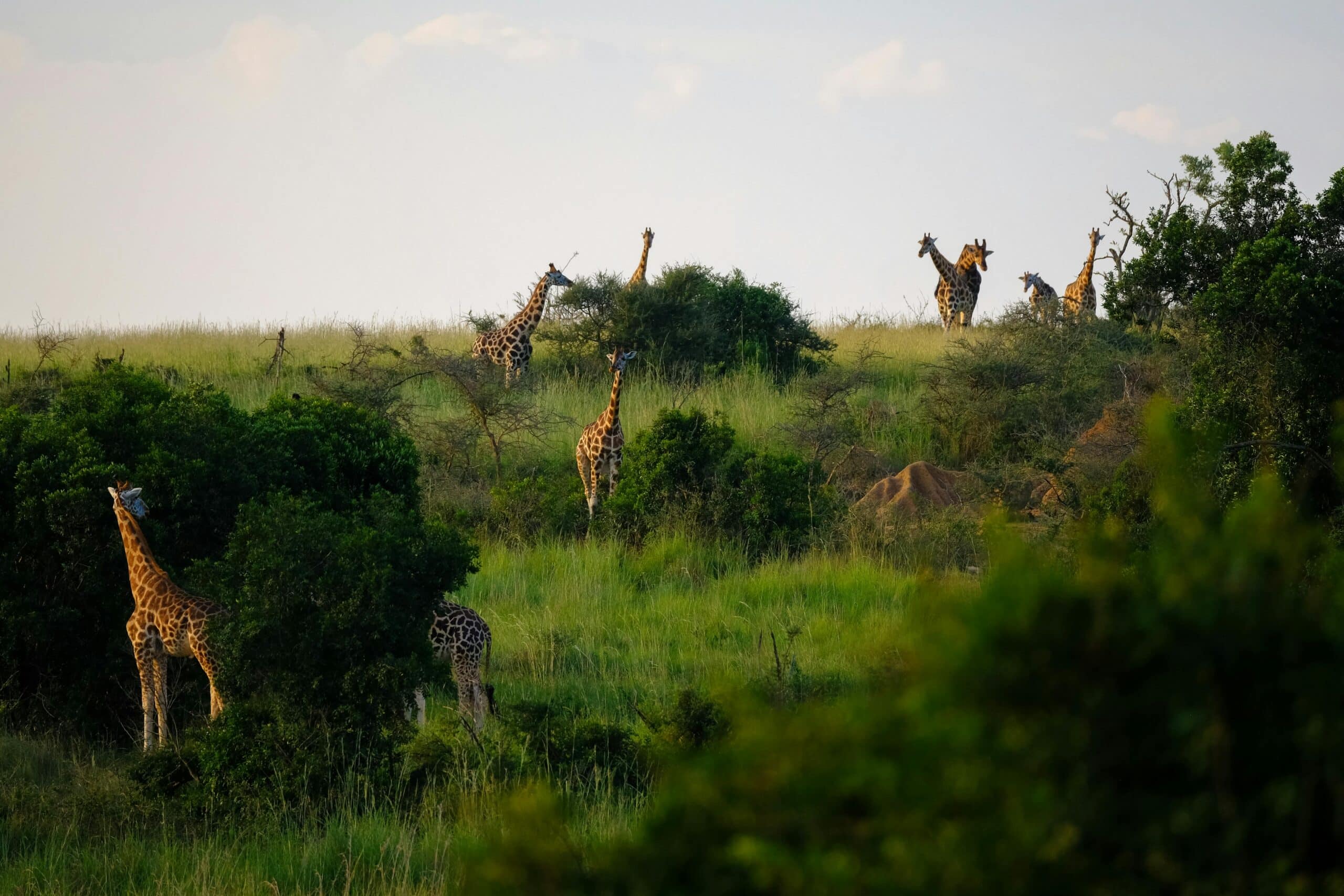

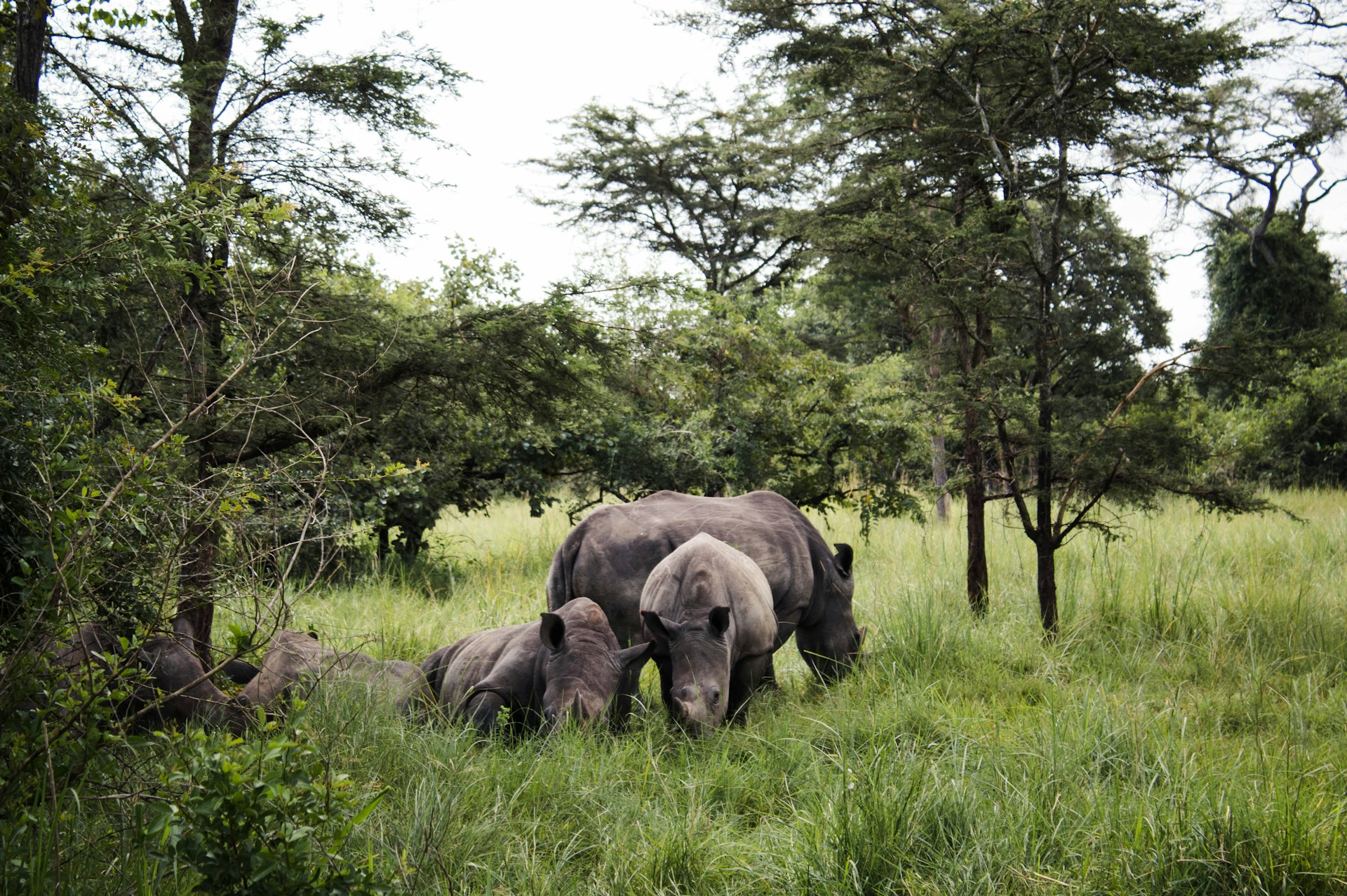

Bwindi Impenetrable Forest protects nearly half of the world’s mountain gorillas—approximately 400 to 450 individuals—within one of Africa’s most ancient and biologically diverse rainforests. This UNESCO World Heritage Site is home to more than twenty habituated gorilla families where your expert tracker leads small groups through misty bamboo groves for intimate, moving encounters with the impressive silverbacks. The Forest’s 331 square kilometers support over 350 bird species and over 200 butterfly varieties across elevations reaching 2,607 meters above sea level. Morning mist over the Rift Valley escarpment reveals one of the Earth’s most biodiverse ecosystems, making this a region definitely worth exploring!
Key Highlights:
🦍 Mountain Gorilla Capital: More than twenty habituated families (about 400 to 450 individuals)—nearly half of the world’s remaining population
🌍 UNESCO World Heritage Site: One of Africa’s most ancient rainforests with exceptionally high biodiversity
🦋 Over 200 Butterfly Varieties: Including rare endemics best seen on guided nature walks
🐘 Forest Elephants: Elusive populations alongside yellow-backed duikers and forest hogs
🦅 Over 350 Bird Species: Including twenty-three Albertine Rift endemics like the African Green Broadbill
🏔️ Rift Valley Location: Elevations from 1,160 m to 2,607 m encompassing the escarpment rim
🥾 Moderate Fitness Required: Two-to-eight-hour treks through challenging mountainous terrain and dense forest vegetation
📍 Transboundary Conservation Area: Part of the larger Virunga-Bwindi-Volcanoes landscape spanning Uganda, Rwanda, and the DRC
🌿 Ancient Ecosystem: Home to a magnificent number of more than 1,000 plant species in one of Africa’s oldest rainforests
Kibale Forest National Park is home to an estimated 1,500 chimpanzees—Uganda’s highest concentration—across 795 square kilometers of pristine tropical rainforest. This “Primate Capital of the World” protects thirteen primate species including East Africa’s largest population of endangered red colobus monkeys and rare L’Hoest’s monkeys. Your expert guide tracks habituated chimpanzee communities through the towering forest canopies reaching 55 meters high on the Fort Portal plateau. The Ngogo Chimpanzee Project operates a highly significant long-term research and conservation effort that has produced invaluable insights involving a large community of chimpanzees. Can you distinguish between the calls of red-tailed monkeys and grey-cheeked mangabeys whilst following chimpanzee families through ancient forest corridors?
Key Highlights:
🐵 Chimpanzee Capital: An estimated 1,500 chimpanzees in Uganda’s highest concentration
🌍 Primate Diversity Record: Thirteen species including rare L’Hoest’s and red colobus monkeys
🔬 Ngogo Research Project: A large community of chimpanzees involved in a research and conservation effort
🌳 Ancient Rainforest: At least 350 tree species with canopies reaching heights of over 60 m on the Fort Portal plateau
🦍 Habituated Communities: Multiple chimpanzee families accustomed to human presence
📍Strategic Location: About 26 km southeast of Fort Portal and adjacent to Queen Elizabeth National Park
🚶 Forest Walks: Guided treks through diverse ecosystems, from tropical forests to swamps and grasslands
🦜 Over 370 Bird Species: Including Great Blue Turaco and African Pitta in forest canopy
🏔️ Elevation Range: 1,100 m to 1,590 m above sea level across varied topographical zones
Kidepo Valley National Park delivers Uganda’s most exclusive wilderness experience across 1,442 square kilometers of untamed semi-arid savanna bordering South Sudan and Kenya. This remote sanctuary hosts the rare species found nowhere else in Uganda—caracals, aardwolves, and bat-eared foxes roam vast plains set against the dramatic backdrop of the Morungole Mountains. Some luxury camps overlook the Narus Valley where lions hunt alongside herds of Jackson’s hartebeest and Burchell’s zebra. Be sure to keep an eye out for the elusive cheetah also known to roam this impressive, open terrain. Additionally, the Park is a premier birding destination with more than 450 bird species including the rare Karamoja apalis and Egyptian vulture. Can you imagine stargazing from your private deck whilst hyenas call across endless plains where the Ik people have lived for centuries?
Key Highlights:
🐆 Unique Species: Only park in Uganda where you can observe caracals, aardwolves, and bat-eared foxes
🦁 Predator Paradise: Lions, leopards, cheetahs, spotted hyenas in high densities across open plains
🦅 450+ Bird Species: Including Egyptian vulture, secretary bird, Verraux’s eagle, and the endemic Karamoja apalis
🏔️ Dramatic Landscapes: Morungole Mountains rising to about 2,749 m above sea level, towering over the savanna plains
👥 Cultural Encounters: Ik and Karamojong ethnic groups with traditional ceremonies and customs
♨️ Kanangorok Hot Springs: Natural geothermal features in remote valley settings
🌟 Ultimate Exclusivity: Very few visitors compared to other Ugandan parks, ensuring more private and exclusive experiences
✈️ Charter Access: Flights from Entebbe to Lomej Airstrip (near Apoka) with a duration of 1.5 to 2 hours
📅 Optimal Season: Dry season (September to March) best for wildlife viewing and comfortable weather, or the wet season (April to August) for lush, green scenery with wonderful photographic opportunities and less crowds
Lake Mburo National Park spans approximately 370 square kilometers of pristine savanna where zebras and impalas graze in the absence of elephants. This compact wilderness is located about 240 kilometers from Kampala, making it Uganda’s most accessible park for walking safaris and intimate wildlife encounters. Five interconnected lakes support hippos and crocodiles, while Rothschild’s giraffes tower over acacia woodlands. Rolling hills, rocky ridges, and diverse birdlife call this region home, including sought-after species like the rare African finfoot and papyrus gonolek. Enjoy an adventurous walking safari in Lake Mburo National Park, getting up close and personal with giraffes, impalas, and zebras, under the guidance of a park ranger.
Key Highlights:
🦓 Zebra Sanctuary: Large population of plains zebras (particularly Burchell’s zebras)
🚶 Safe Walking Safaris: The absence of elephants allow for adventurous walking safaris with your ranger (lions are present, but sightings are rare and infrequent)
🦒 Rothschild’s Giraffes: Significant population of the endangered subspecies in acacia woodlands
🛥️ Lake Cruises: Boat cruises on Lake Mauro with opportunities to spot hippos, crocodiles, and the diverse birdlife
🦅 350+ Bird Species: Including African finfoot, papyrus gonolek, and shoebill storks
📍 Ultimate Accessibility: About 228 km from Kampala via a (mostly) smooth road
🌟 Fantastic Stargazing Destination: Minimal light pollution and wide, open spaces for exceptional night sky viewing
🦦 Otter Encounters: Spotted-necked otters in pristine lake ecosystems
🏔️ Ancient Granite Landscapes: Rolling hills, rocky ridges, and forested gorges—interspersed with expansive savannas and wetlands—characterize this impressive region
Queen Elizabeth National Park spans 1,978 square kilometers between Lakes George and Edward, hosting Uganda’s most diverse wildlife population, including the famous tree-climbing lions of the Ishasha sector. The Kazinga Channel is home to an estimated 6,000 hippos—one of Africa’s highest concentrations—alongside massive Nile crocodiles and large herds of elephants. Enjoy the incredible diversity of bird species during your boat cruise and embark on chimpanzee tracking in Kyambura Gorge, offering intimate encounters within a unique, sunken rainforest canyon. From the cultural experience of traditional salt mining in neighboring Lake Katwe, to game viewing activities such as mongoose tracking on the Mweya Peninsula, the Queen Elizabeth National Park encompasses a diverse range of environments, including tropical rainforests, papyrus swamps, extinct volcanic crater lakes, savanna grasslands, and acacia woodlands. Enjoy the unique experience of spotting lions lounging in fig trees in the remote southern part of the Park, as well as the sight of hippos yawning below your boat deck during a Kazinga Channel boat safari.
Key Highlights:
🦁 Tree-Climbing Lions: Famous Ishasha sector lions resting on the wide branches of large sycamore fig trees
🦛 Hippo Capital: An estimated 6,000 hippos in Kazinga Channel (Africa’s highest concentration)
🦅 High Bird Diversity Record: 618 bird species—highest in Africa and sixth-highest globally
🐘 Elephant Herds: Large number of elephants across diverse ecosystems and crater landscapes
🛥️ Kazinga Channel Cruise: Natural waterway connecting Lakes George and Edward
🐵 Chimpanzee Tracking: Kyambura Gorge’s sunken forest and Kalinzu Forest Reserve
🧂 Cultural Salt Mining: Ancient extraction methods at alkaline Lake Katwe crater
✈️ Charter Access: Flights to Kasese or Mweya airstrips from Entebbe
🏔️ Crater Landscapes: Volcanic features within the Western Rift Valley system
Murchison Falls National Park showcases the Nile’s raw power as roughly 300 cubic meters of water per second explode through a narrow seven-meter gap, creating Uganda’s most spectacular waterfall. Forming part of the Murchison Falls Conservation Area, which is designated a UNESCO Biosphere Reserve, the Park spans 3,840 square kilometers where 450 bird species include the rare shoebill stork, and where the endangered Rothschild’s giraffes tower over savanna grasslands. Your luxury Nile cruise positions you perfectly at the base of the Falls to witness its immense power of the thundering forty-five-meter cascade where permanent rainbows dance in the mist. Over seventy mammal species roam diverse ecosystems from wetlands to acacia woodlands along Lake Albert’s shores. Can you imagine the earth-shaking roar of the world’s longest river forcing itself through nature’s most dramatic bottleneck?
Key Highlights:
💧 Murchison Falls Spectacle: Nile River exploding through seven-meter gap with forty-five-meter cascade
🦒 Rothschild’s Giraffe Haven: Home to the largest wild population of this endangered subspecies
🦅 450+ Bird Species: Including rare shoebill stork and Goliath heron
🛥️ Nile River Cruises: Luxury boat safaris to the base of the thundering Murchison Falls
🌍 UNESCO Biosphere Reserve: Designated to continue to protect the biodiversity and unique ecosystems of the Murchison Falls Conservation Area
🐘 Home to Four of the Big Five: Lions, elephants, Cape buffalos, and leopards across diverse habitats
🌈 Permanent Rainbows: Continuous mist creates spectacular optical displays
📍 Strategic Location: Approximately 305 km north of Kampala, extending from the shores of Lake Albert along the Victoria Nile
🏞️ Diverse Ecosystems: Savanna, wetlands, and forests spanning 3,840 km²
Rwenzori Mountains National Park protects Africa’s third-highest peak—Margherita Peak—at 5,109 meters where equatorial glaciers create the “Mountains of the Moon” mystique just kilometers from the equator. This UNESCO World Heritage Site spans 996 square kilometers of spectacular Afro-alpine vegetation, including giant lobelias, heathers that can reach up to twelve meters tall, and the rare three-horned chameleon. Your expert guide leads multi-day treks through five distinct vegetation zones from tropical rainforest to alpine moorlands where crystal-clear lakes reflect snow-capped summits. The Rwenzori range is considered one of the most stable and vital water sources for the Nile, feeding it through cascading waterfalls and the runoff from its glaciated peaks. Can you imagine conquering Margherita Peak where only a few hundred climbers succeed annually?
Key Highlights:
🏔️ Margherita Peak Challenge: Africa’s third-highest summit at 5,109 m with equatorial glaciers
❄️ Equatorial Snow: Permanent glaciers and snow just kilometers from the equator
🌍 UNESCO World Heritage Site: Recognized since 1994 for exceptional biodiversity, outstanding natural beauty, and unique geological features
🌿 Giant Afro-Alpine Flora: Unique giant heathers, lobelias, and groundsels in Afro-alpine zones
🦎 Endemic Species: Three-horned chameleon endemic to the broader Albertine Rift Valley region
💧 Nile River Source: Most stable water catchment feeding the world’s longest river
🥾 Multi-Day Treks: Central Circuit and Kilembe trails through multiple vegetation zones
✈️ Charter Access: Flights to Kasese airstrip from Entebbe (about 397 km/7 hours by road)
📸 Bakonzo People: Indigenous tribe with ancient customs and traditions
Mount Elgon National Park protects the world’s largest intact volcanic caldera—covering over forty square kilometers—where ancient shield volcano formations create one of East Africa’s most outstanding geological wonders. This UNESCO Biosphere Reserve boasts a total area of about 1,279 square kilometers spanning the Uganda-Kenya border; hosting the famous “cave elephants” that mine salt from underground caverns—at sites like the Kitum Cave—as their normal diet of forest vegetation lacks vital minerals. Your expert guide leads you through a succession of distinct ecosystems from montane forests to alpine moorlands where over 300 bird species include the endangered lammergeier (bearded vulture) and the endemic Jackson’s francolin. The spectacular Sipi Falls cascade 100 meters down volcanic cliffs—this area is also rich in cultural heritage being the home to the Bagisu and Sabiny people. Can you imagine witnessing elephants disappearing into mysterious caves to harvest mineral-rich salt deposits?
Key Highlights:
🌋 One of the Largest Intact Calderas on Earth: The collapsed crater covering over forty square kilometers
🐘 Cave Elephants Phenomenon: Unique salt-mining behavior in underground caverns
💧 Sipi Falls Spectacle: 100-meter cascading waterfall down volcanic cliffs
🦅 300+ Bird Species: Including the endangered lammergeier (bearded vulture) and the endemic Jackson’s francolin
🌍 UNESCO Biosphere Reserve: Transboundary conservation area and collaboration between Uganda and Kenya to manage the shared ecosystem
🏔️ Four Distinct Major Ecological Zones: Mixed montane forest, bamboo and low canopy forest, sub-alpine montane heath, and alpine moorland
🕳️ Ancient Cave Systems: Kitum Cave on the Kenyan side, with Kapkwai Cave and Khaki Cave accessible on guided excursions
👥 Cultural Heritage: Deeply tied to the Bagisu and Sabiny people with traditions linked to the mountain’s natural features
☕ Coffee Plantations: High-altitude farms, particularly in the Siri Falls area, known for its fertile volcanic soil and excellent Arabica coffee
Semuliki National Park, located within the Semliki Valley, protects East Africa’s only true lowland tropical rainforest—the easternmost extension of the vast Congo Basin’s Ituri Forest where Central and East African species converge in an area of extraordinary biodiversity. This remote wilderness hosts over 400 bird species, while the famous Sempaya Hot Springs bubble at 103°C from deep within the Albertine Rift. Your expert guide tracks forest elephants and chimpanzees through this biodiversity hotspot and unique Central African experience, where grey-cheeked mangabeys swing overhead and the elusive Congo serpent eagle soars above dense canopies. Four distinct cultures—Bakonzo, Bamba, Batwa, and Batuku—maintain ancient traditions along the Semliki River Valley and the surrounding foothills in both Uganda and the Democratic Republic of Congo (DRC). Discover numerous wildlife species found nowhere else in East Africa due to the Park’s ecosystem being a direct extension of the Central African Congo Basin’s Ituri Forest—a unique combination of Central and East African species making for a region of remarkable biodiversity.
Key Highlights:
🌳 Extension of the Congo Basin’s Ituri Forest: East Africa’s only true tract of lowland tropical rainforest
🦅 400+ Bird Species: Including forty-six Guinea-Congo biome species found nowhere else in East Africa—such as the Congo Serpent Eagle
♨️ Sempaya Hot Springs: Natural geothermal features with temperatures reaching up to 103°C
🐘 Forest Elephants: Smaller than savanna elephants and adapted to dense woodland environments
🐵 Primate Diversity: Chimpanzees, grey-cheeked mangabeys, and various colobus monkeys
🦅 Rare Endemics: Such as the Congo Serpent Eagle, Nkulengu Rail, and African Piculet
👥 Four Cultures: Bakonzo, Bamba, Batwa, and Batuku peoples with distinct traditions
🏔️ Albertine Rift Valley Setting: Between the Rwenzori Mountains and the Lake Albert escarpment
🥾 Kirumia Trail: Prime birding route through diverse forest ecosystems
Toro-Semliki Wildlife Reserve spans Uganda’s oldest protected area—established in 1926—where East African savanna ecosystems meet Central African rainforests in a unique ecological transition zone. This 542-square-kilometer sanctuary nestled between Lake Albert and the Rwenzori Mountains is home to endangered shoebill storks—inhabiting the extensive swamps near Lake Albert—as well as large herds of Uganda kobs grazing in open grasslands dotted with Borassus palms. Enjoy sightings of hippos and crocodiles during your luxury boat safari on Lake Albert, while night drives provide the opportunity to spot African civets and serval cats hunting under starlit skies. The Bakonzo people share ancient forest wisdom through traditional craft demonstrations and medicinal plant knowledge. Can you imagine embarking on an untouched Uganda wilderness experience where fewer than 100 visitors venture annually?
Key Highlights:
🦆 Shoebill Stork Haven: Vulnerable species with a unique, striking appearance found in the wetlands near Lake Albert
🌴 Borassus Palm Forests: Ecologically significant palm ecosystems found in the savannas and floodplains near the shores of Lake Albert
🦌 Uganda Kob Herds: A prominent feature found across the Reserve’s diverse habitats, including open grasslands and forests
🛥️ Lake Albert Cruises: Boat safaris for sighting hippos, crocodiles, and waterbirds
🌙 Night Game Drives: Nocturnal wildlife including African civets and serval cats
👥 Bakonzo Culture: Traditional forest communities with ancient customs and crafts
🏛️ Historic Significance: Uganda’s first protected conservation area, dating back to its establishment as the Toro Game Reserve in 1926
🌿 Ecological Transition: Where East African grasslands meet Central African forests
📍 Strategic Location: Between the Rwenzori Mountains to the southwest and Lake Albert to the north, making for a dramatic Rift Valley setting