Safari and Travel Destinations
Tanzania
Tanzania's remote circuits offer exclusivity beyond the famous northern parks




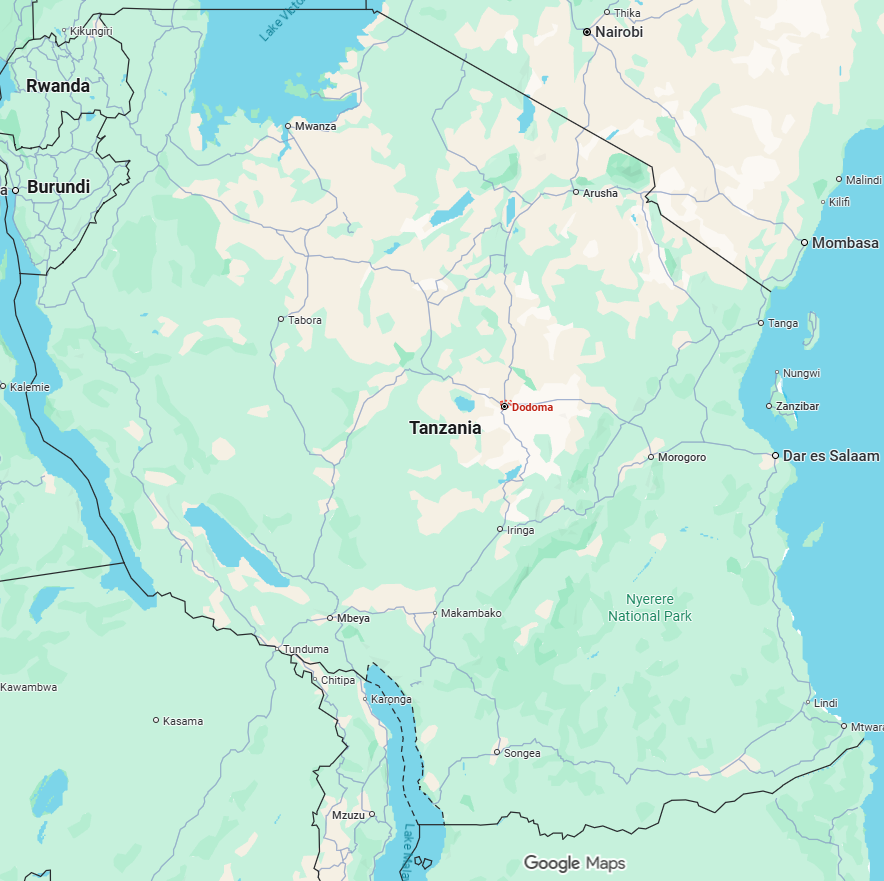
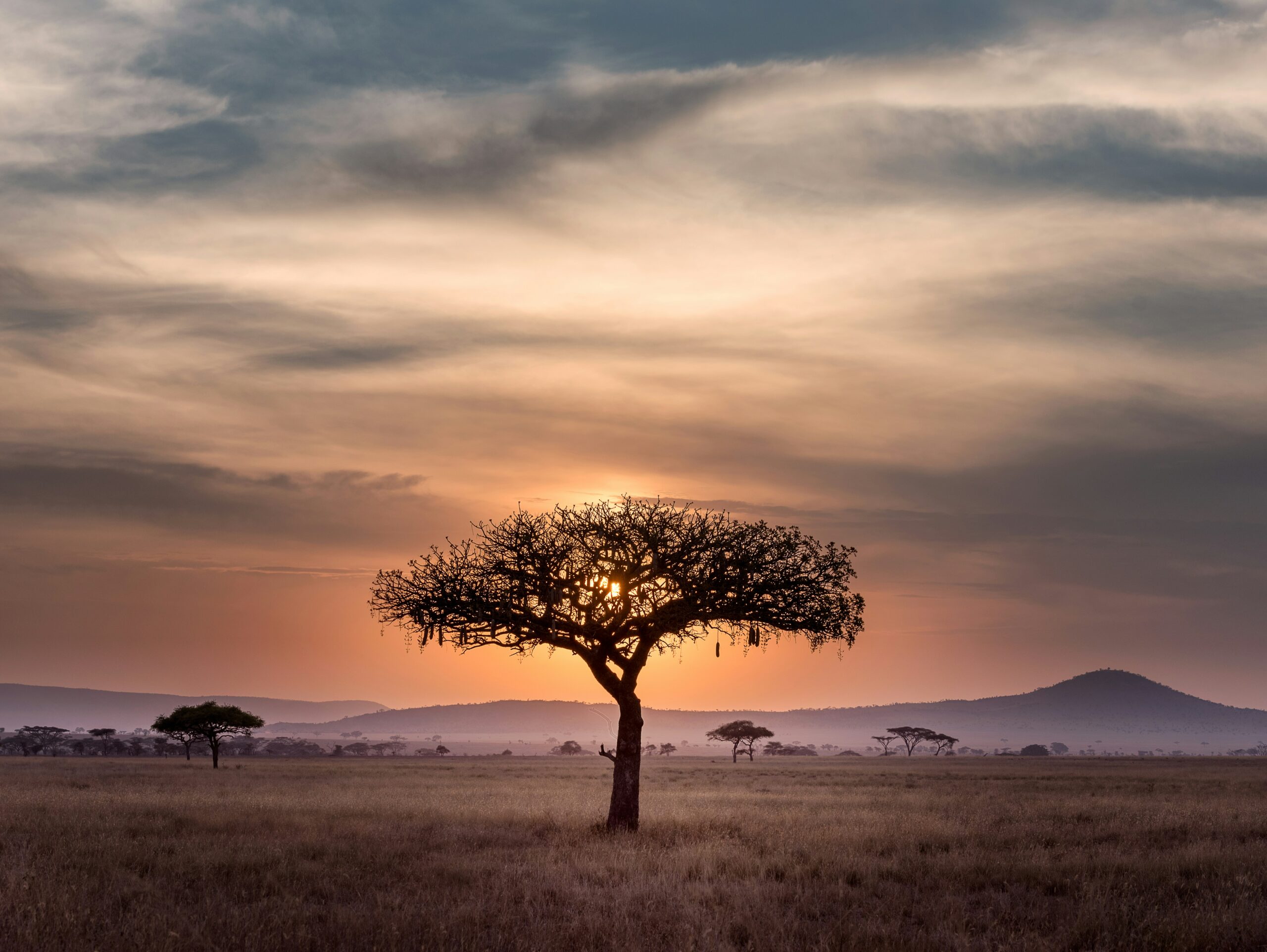
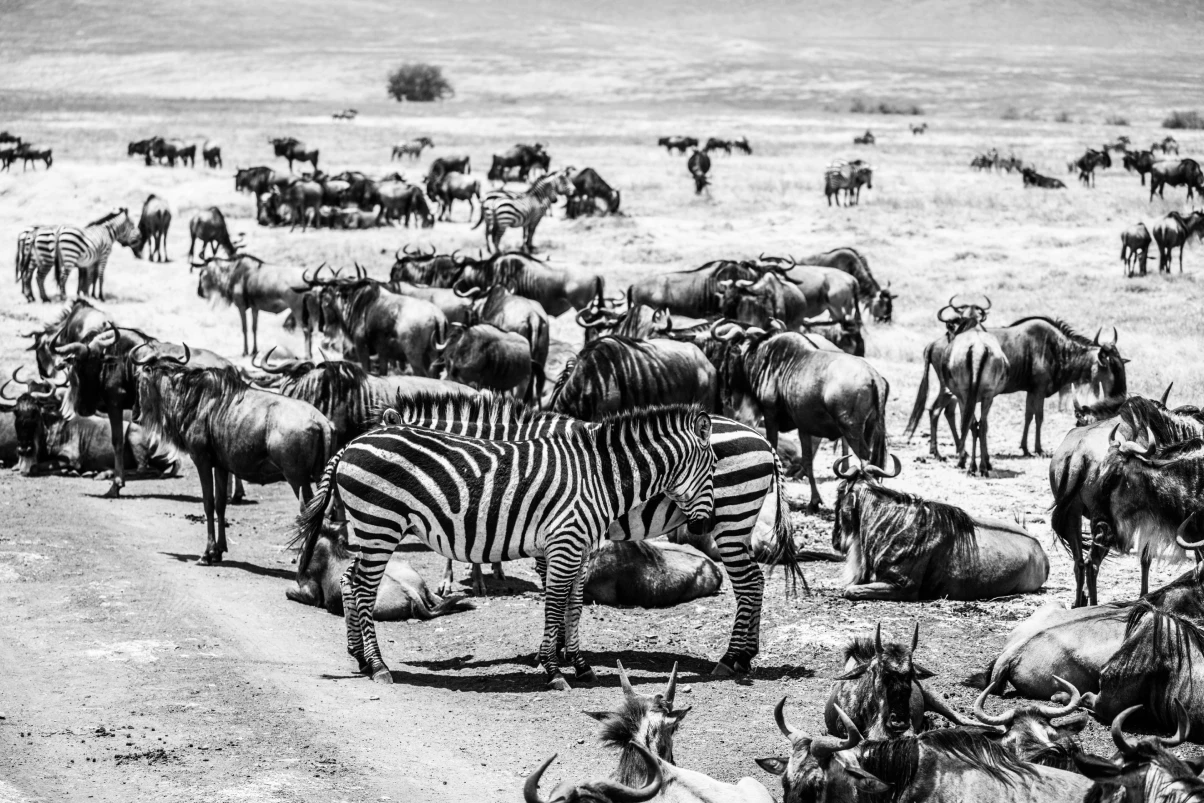
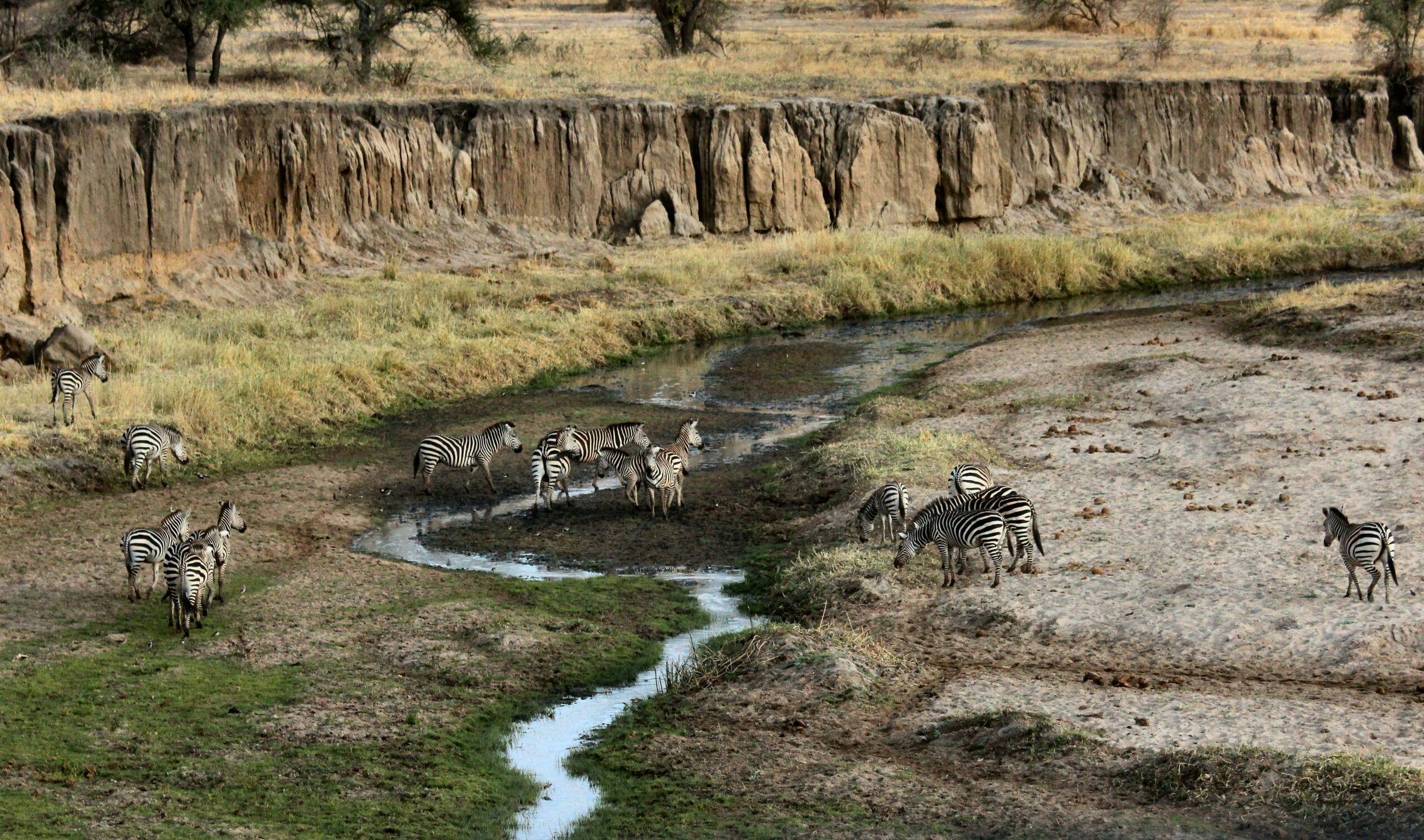
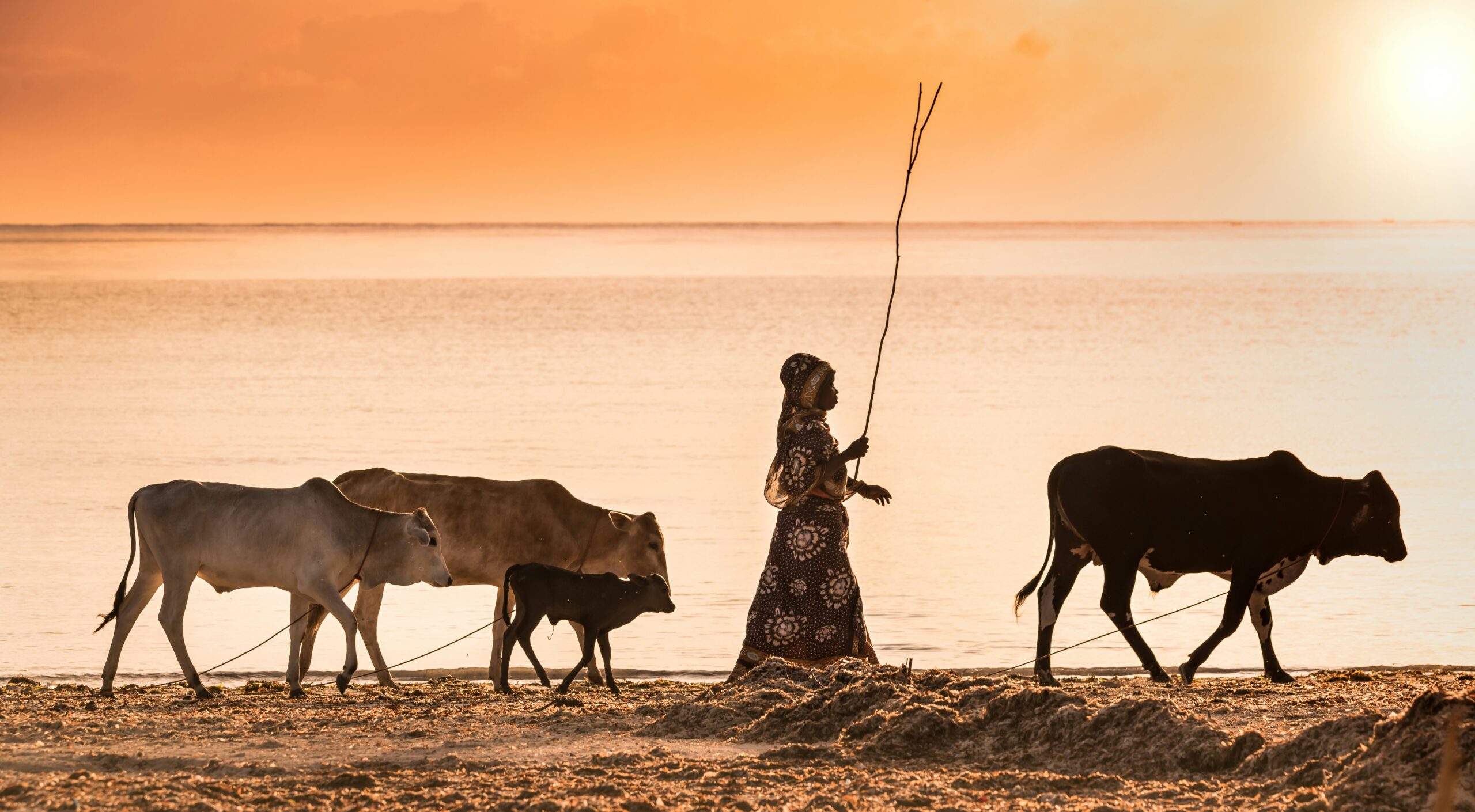
Tanzania delivers Africa’s most complete safari and travel adventures across landscapes that span snow-capped peaks to pristine coral reefs. Mount Kilimanjaro towers about 4,000 meters above the Serengeti plains where more than 1.5 million wildebeest thunder across endless grasslands during the Great Migration. Your private guide positions you perfectly for the river crossings where crocodiles wait in the Mara River’s murky waters. The Ngorongoro Crater contains 25,000 large mammals within its 260-square-kilometer caldera, the world’s largest intact volcanic crater. Can you imagine witnessing black rhinos grazing alongside flamingo-filled soda lakes whilst Maasai warriors tend their cattle on the crater rim?
The Northern Circuit showcases Tanzania’s greatest wildlife spectacles within easy reach of luxury lodges. Tarangire National Park hosts over 3,000 elephants during the dry season, creating the largest concentration outside Botswana. Lake Manyara’s tree-climbing lions rest in yellow fever trees whilst thousands of pink flamingos paint the alkaline waters. Your helicopter transfers between camps reveal the Rift Valley’s dramatic escarpments and acacia-dotted plains stretching to distant horizons.
Tanzania’s remote circuits offer exclusivity beyond the famous northern parks. Mahale Mountains National Park protects about 700 to 1000 chimpanzees along Lake Tanganyika’s crystal-clear shores. Katavi National Park remains virtually untouched, hosting hundreds of hippos in single pools during the dry season and massive buffalo herds reaching over a thousand individuals. The Western Circuit requires commitment but rewards you with encounters unavailable anywhere else in East Africa.
The Southern Circuit is home to Tanzania’s best-kept secrets across vast wilderness areas. Ruaha National Park spans 20,226 square kilometers, where about 12,000 elephants roam alongside rare African wild dogs. Nyerere National Park offers boat safaris along the Rufiji River, where hippos surface beside your vessel. These southern parks receive fewer visitors annually compared to the Serengeti’s 350,000+, ensuring your safari remains genuinely exclusive.
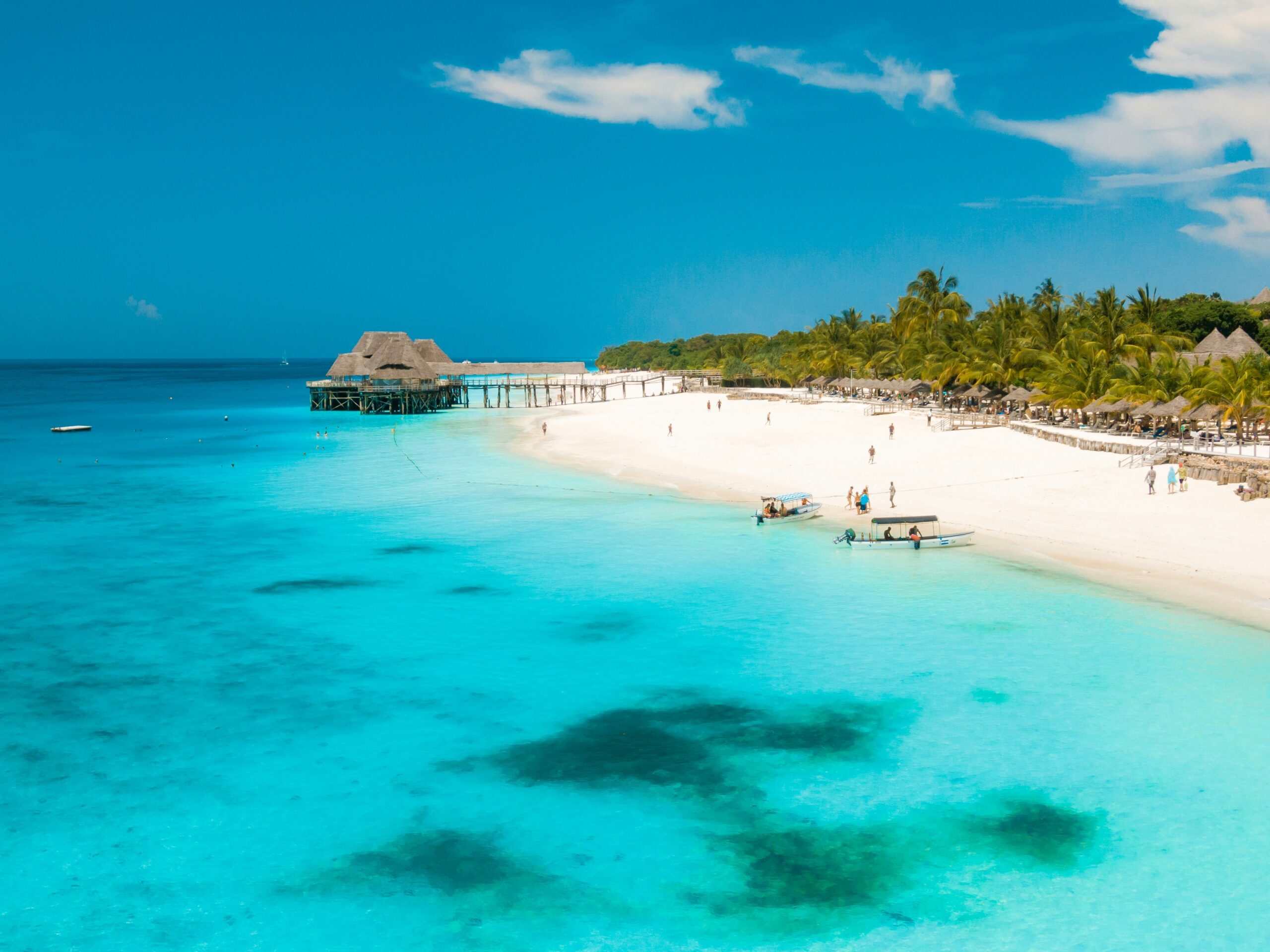
Zanzibar’s spice-scented streets and powder-white beaches provide the perfect finale to your Tanzanian adventure. Stone Town’s UNESCO World Heritage-listed architecture tells stories of sultans and spice traders while your dhow cruise navigates turquoise waters where dolphins play in the Indian Ocean swells. Private beach resorts offer barefoot luxury where you can unwind and reflect on your wildlife encounters with mountain gorillas, tree-climbing lions, and the thundering hooves of the Great Migration.

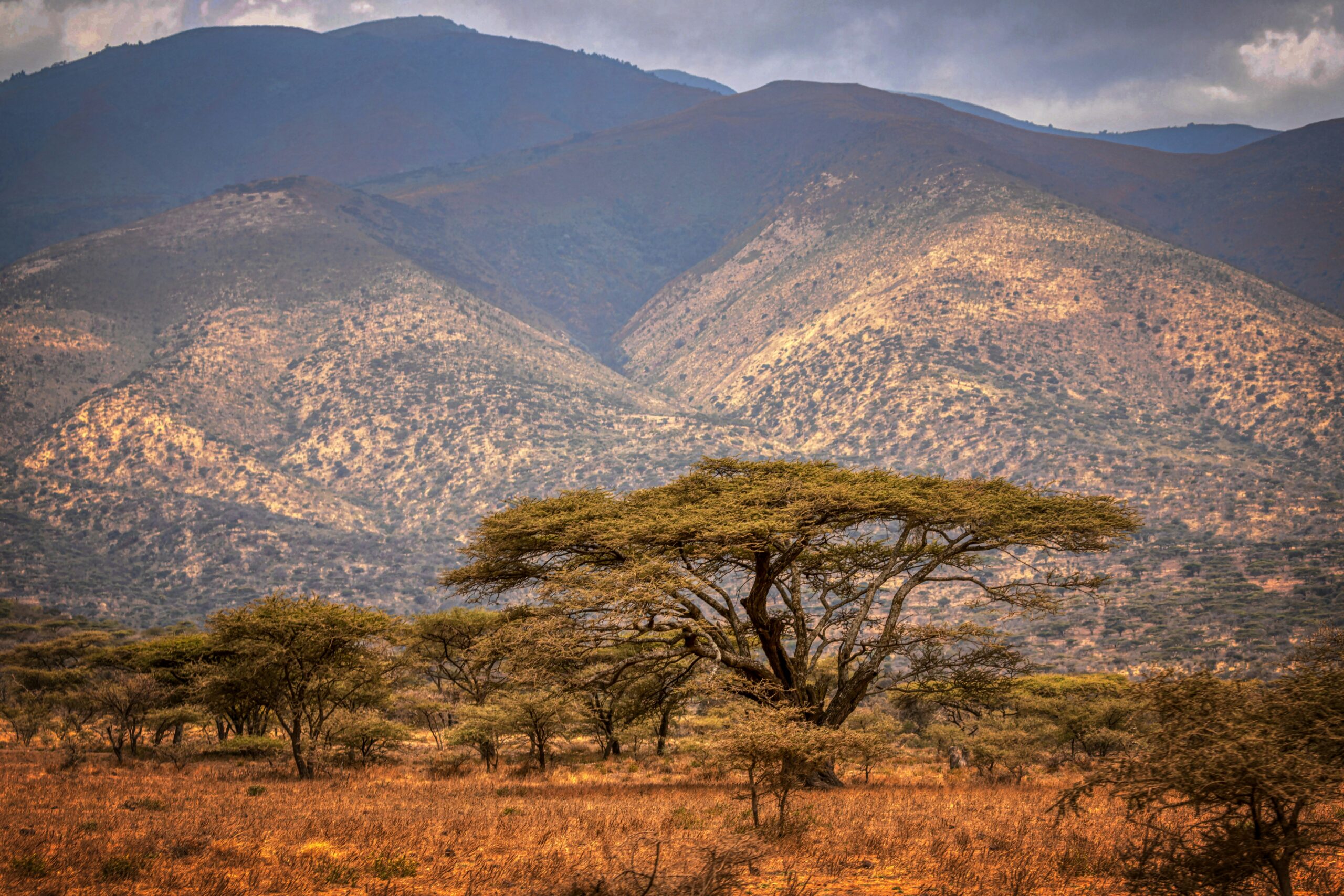
Mount Kilimanjaro towers 5,895 meters above sea level—Africa’s highest peak and a UNESCO World Heritage Site since 1987. This iconic stratovolcano features three volcanic cones where glaciers cling to equatorial slopes just 300 kilometers south of the equator. Your expert mountain guide leads you through five distinct climate zones from rainforest to arctic conditions at Uhuru Peak. Seven established routes offer varying challenges, from the scenic Lemosho to the demanding Umbwe path. Will you choose the Northern Circuit’s nearly 360-degree views of Mount Kilimanjaro including the quiet, remote northern slopes, or Machame’s dramatic Barranco Wall climb for your summit attempt?
Key Highlights:
🏔️ Africa’s Highest Peak: 5,895 m snow-capped Uhuru Peak
🌋 Three Volcanic Cones: Kibo (dormant), Mawenzi (extinct), and Shira (extinct)
🥾 Seven Summit Routes: Lemosho, Machame, Northern Circuit, Rongai, Marangu, Shira, Umbwe
🌍 UNESCO World Heritage: Global recognition since 1987 for impressive natural beauty and exceptional biodiversity
🦌 Wildlife Encounters: Elephants, buffaloes, leopards (lower foothills), with colobus monkeys and birds on the lower, forested slopes
🌿 Five Climate Zones: Cultivation Zone, Rainforest Zone, Moorland Zone, Alpine Desert Zone, Arctic Zone
🦅 Endemic Species: Such as Kilimanjaro White-eye bird and Abbott’s Duiker
📸 Barranco Wall: Dramatic, steep rock face requiring a scramble with panoramic Rift Valley views
The Serengeti hosts the planet’s greatest wildlife spectacle—the Great Migration of over 1.5 million wildebeest, along with hundreds of thousands of zebras and gazelles covering a distance of about 1,000 kilometers. This UNESCO World Heritage Site supports about 4,000 lions, 1,000 leopards, and between 225 to 600 cheetahs alongside more than 500 bird species. Your luxury mobile camp follows the herds’ ancient circular route between Tanzania and Kenya’s Masai Mara. Hot-air balloon safaris at dawn reveal the migration’s true scale from above while a champagne breakfast awaits on the plains below. Can you imagine witnessing some of the approximately 8,000 wildebeest calves born daily during February’s calving season?
Key Highlights:
🦓 Great Migration: more than 1.5 million wildebeest, along with hundreds of of thousands of zebras and gazelles
🦁 Apex Predators: about 4,000 lions, 1,000 leopards, and between 225 to 600 550 cheetahs across vast plains
🎈 Hot Air Balloon Safaris: Dawn flights with champagne breakfast on the savanna
🌍 UNESCO World Heritage: Global recognition since 1981 for globally significant biodiversity and the unparalleled annual wildebeest migration
📍 14,763 Square Kilometers: Characterized by vast, open savannas, acacia woodlands, and riverine forests, and exceptional wildlife
🐆 Big Cat Capital: World’s highest concentration of large predators
🦅 500 Bird Species: Including Secretary birds, Kori bustards, and Lilac-breasted rollers
🏕️ Mobile Luxury Camps: Follow migration with exclusive seasonal camp locations
📅 Year-Round Wildlife: Resident populations ensure exceptional game viewing
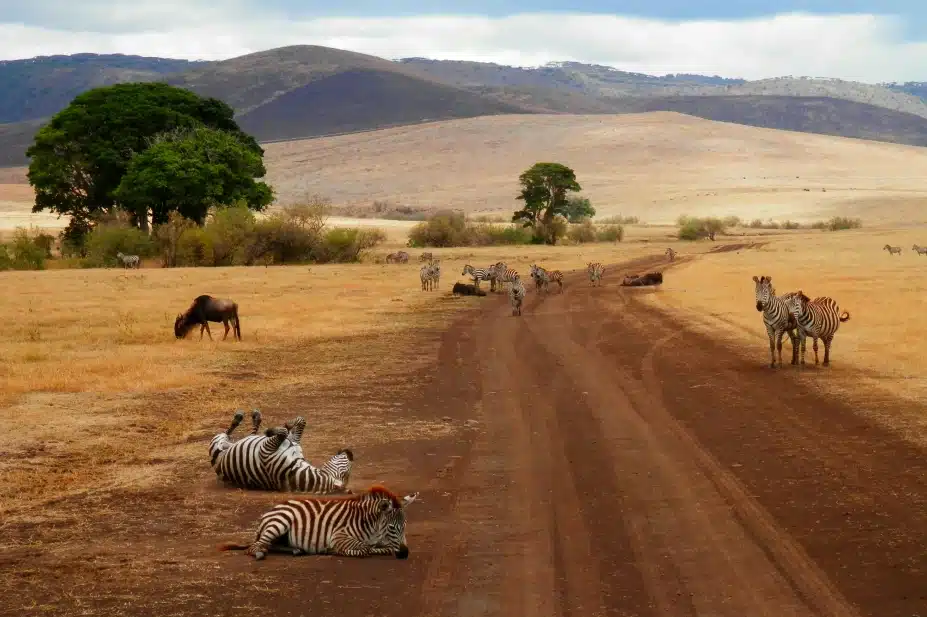
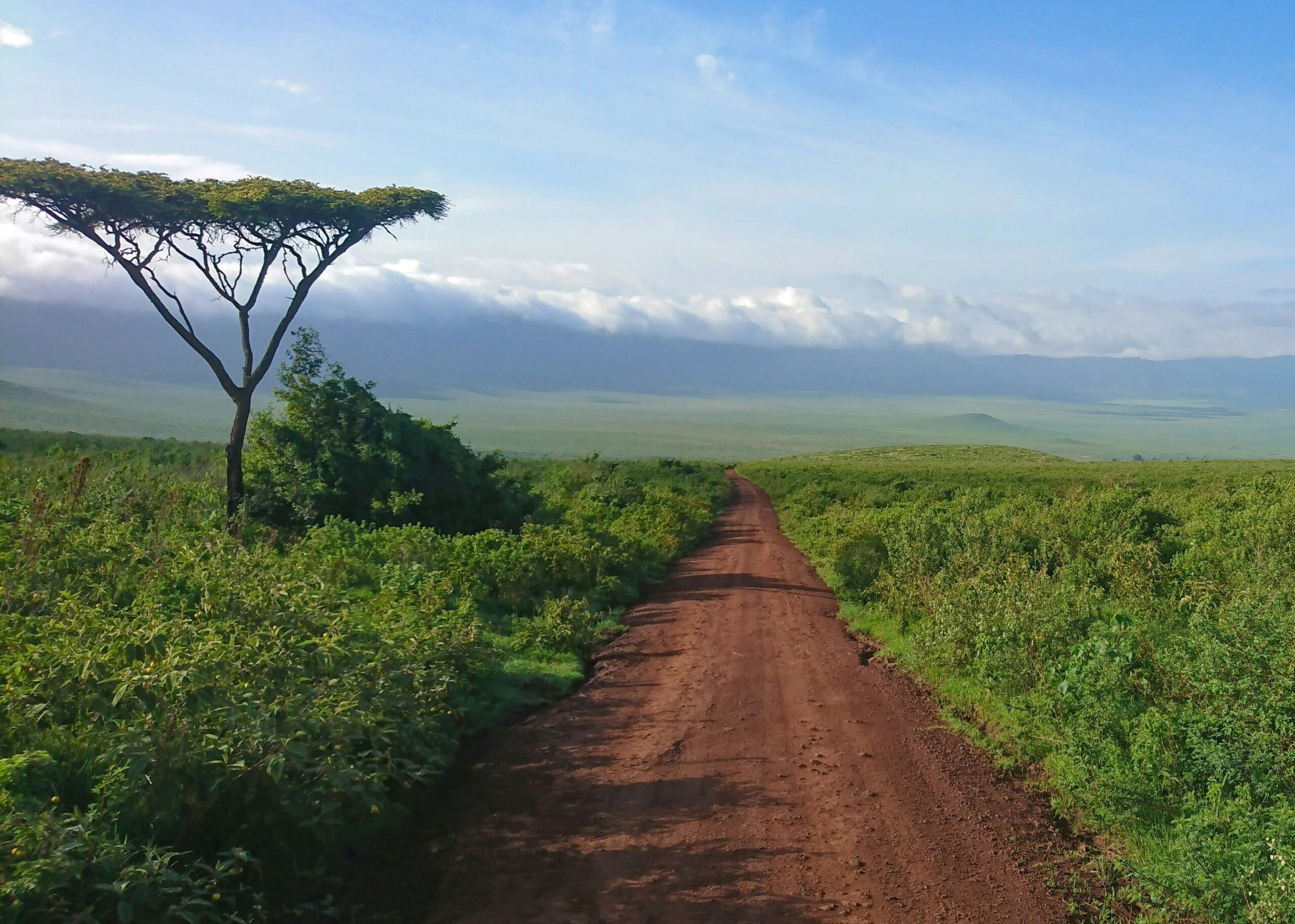
The Ngorongoro Crater forms the world’s largest intact volcanic caldera—carving a natural amphitheater and sheltering about 25,000 large mammals. This UNESCO World Heritage Site represents one of Earth’s few places where humans and wildlife coexist harmoniously. Your luxury safari vehicle descends 600 meters into the crater floor where black rhinos graze alongside flamingo-filled soda lakes. The Maasai people still graze their cattle here as their ancestors did centuries ago. Can you imagine witnessing all Big Five species within a one place while Maasai warriors tend their livestock on the crater floor?
Key Highlights:
🌋 World’s Largest Intact Volcanic Caldera: About 264 km² unbroken volcanic caldera
🦏 Black Rhino Sanctuary: One of Tanzania’s best locations for endangered black rhinos
🦁 Big Five Sightings: Lions, elephants, buffaloes, leopards, and rhinos in one place
🌍 UNESCO World Heritage Site: Dual recognition for natural and cultural significance
👥 Maasai Coexistence: Traditional pastoralists sharing land with wildlife for centuries
🦩 Flamingo Spectacle: Thousands of pink flamingos on the shallow, alkaline Lake Magadi
📊 About 25,000 Large Mammals: Highest density of wildlife in Africa within crater walls
🏔️ Volcanic Landscape: Olmoti and Empakaai craters plus dramatic highlands
🚗 Exclusive Access: Limited vehicle permits ensure uncrowded game viewing (within the crater, a 4×4 vehicle and a guide are required)
Tarangire hosts Tanzania’s highest elephant density—over 3,000 resident elephants congregate here during the dry season, creating Africa’s most spectacular elephant gatherings. Ancient baobab trees, some over 1,000 years old, tower above herds numbering in the hundreds as they migrate along the nourishing Tarangire River. Your luxury safari vehicle navigates beneath these giants while rare species like African wild dogs and greater and lesser kudus emerge from acacia woodlands. The Park’s approximately 550 to 588 bird species include Yellow-collared Lovebirds, Helmeted Guineafowl, and Tawny Eagles, among others. Can you imagine witnessing herds of elephants drinking simultaneously at the river whilst baobabs frame your photographs in an awe-inspiring natural formation?
Key Highlights:
🐘 Elephant Capital: 3,000+ elephants during dry season (highest density in Tanzania)
🌳 Ancient Baobabs: 1,000+ year-old giants creating iconic African landscapes
🐕 Rare, Endangered, and Vulnerable Predators: African wild dogs (endangered), cheetahs (vulnerable), and leopards (vulnerable) in acacia woodlands
🦌 Antelope Diversity: Greater kudu, lesser kudu, gerenuk, and beisa oryx
🦅 Endemic Birds: About 550 to 588 species including Yellow-collared Lovebirds, Helmeted Guineafowl, and Tawny Eagles, among others
💧 Tarangire River: Permanent water source attracting massive wildlife concentrations
📍 Strategic Location: 120 km from Arusha (a 2-hour drive or daily charter flights)
🐍 Python Encounters: African rock pythons in acacia trees and baobab groves
📅 Peak Season: Dry season from June to October for massive elephant herds and predator activity
Lake Manyara National Park stretches between the Great Rift Valley escarpment and the alkaline waters of Lake Manyara, creating a compact 330-square-kilometer wildlife sanctuary. Famous tree-climbing lions rest in yellow fever trees while thousands of pink flamingos paint the waters during peak season. Your canopy walk elevates you 18 meters above the groundwater forest on a 370-meter suspension bridge system. Over 450 bird species include a large population of flamingos, pelicans, storks, eagles, and the grey-headed kingfisher, among others. Can you spot the difference between a lion lounging in an acacia tree and the more common leopard behavior while flamingos create a pink carpet below?
Key Highlights:
🦁 Tree-Climbing Lions: Unique behavior of lions resting in yellow fever trees
🦩 Flamingo Spectacle: Thousands of pink flamingos on alkaline lake waters
🌉 Canopy Walkway: 370 m suspension bridge 18 m above groundwater forest
🦅 Birding Paradise: 450+ species including pelicans and grey-headed kingfisher, among others
♨️ Natural Hot Springs: Geothermal features along the Rift Valley escarpment
🐘 Elephant Herds: Large populations in compact 330 km² area
📍 Strategic Location: Between Tarangire National Park and Ngorongoro Conservation Area
🌳 Diverse Ecosystems: Groundwater forest, acacia woodland, open floodplains, the Great Rift Valley escarpment, alkaline Lake, among others
🐒 Primate Encounters: Blue monkeys in forested areas and baboons along the trails
Ruaha National Park spans 20,226 square kilometers—Tanzania’s second-largest national park—where about 12,000 elephants roam alongside a significant population of endangered African wild dogs. The Great Ruaha River carves through ancient baobab groves where lions and leopards hunt antelope species—a rare sight in other parts of East Africa. Luxury camps overlook dramatic escarpment cliffs rising 100 meters above the valley floor. Bush airstrips provide exclusive access to remote areas while walking safaris reveal intimate wildlife encounters with unique and detailed observations. Get ready for an authentic, crowd-free wildlife experience with activities such as hot-air ballon safaris and night drives.
Key Highlights:
🐘 Elephant Capital: About 12,000+ elephants in Tanzania’s second-largest largest national park (20,226 km²)
🐕 Wild Dog Haven: Home to a significant population of endangered African wild dogs
🦁 Predator Paradise: About 400+ lions and high leopard density within its diverse ecosystems
🚶 Walking Safaris: Guided bush walks for intimate wildlife encounters on foot
🎈 Hot-Air Balloon Safaris: Exclusive aerial views over baobab-studded landscapes
💧 Great Ruaha River: A water source attracting massive wildlife concentrations
🏔️ Rift Valley Escarpment: 50 to 100 m cliffs with natural springs and dramatic views
✈️ Bush Airstrips: Multiple landing strips for exclusive fly-in safari access
🦌 Endemic Species: Lesser and greater kudu and African wild dogs
Mahale Mountains National Park protects an estimated 800 to 1000 chimpanzees—the world’s largest population of the eastern chimpanzee subspecies—along the pristine shores of Lake Tanganyika. This remote wilderness spans about 1,613 square kilometers, where ancient rainforest habitats meet the world’s second-deepest freshwater lake. Enjoy boat safaris, sunset cruises and kayaking on the crystal-clear waters of the Lake, home to over 2,500 fish species. Chimpanzee tracking leads you through montane forests where habituated troops allow for unique, intimate encounters for up to an hour. Can you imagine snorkeling among the abundance of fish species before tracking chimps through bamboo groves overlooking the Lake’s infinite blue horizon?
Key Highlights:
🐵 Chimpanzee Capital: An estimated 800 to 1000 of the eastern chimpanzee subspecies—the world’s largest protected population
🏔️ Lake Tanganyika Access: The world’s second-deepest freshwater lake (1,470 m) with crystal-clear waters
🐠 Fish Paradise: Over 2,500 types of fish including Nile perch, tilapia, and catfish
⛵ Boating Activities: Relaxing dhow cruises for sightseeing, sundowner cruises, and kayaking
🤿 Snorkeling Adventures: Underwater exploration of and abundance of fish including the colorful and diverse cichlid species
🌿 Diverse Ecosystems: Tropical rainforest, montane forest, alpine bamboo, savanna, alpine meadows, Lake Tanganyika aquatic ecosystem
🦍 Habituated Troops: Close encounters with chimpanzee families in natural habitat
🏕️ Luxury Beach Camps: Exclusive lakeside accommodations with mountain backdrops
📍 Ultimate Remoteness: Western Circuit’s crown jewel for exclusive safari experiences
Katavi National Park delivers a truly untouched wilderness experience across 4,471 square kilometers—one of Tanzania’s most remote national parks where fewer than 1,500 visitors venture annually. During the dry season, up to 200 or more hippos crowd into a single shrinking pool while massive Cape buffalo herds create large dust clouds visible from miles away. Your luxury fly camp follows ancient elephant migration routes where hundreds of elephants converge at the remaining waterholes during the dry season. Safaris provide opportunities to witness lion prides hunting Cape buffalo in tall grass. Can you imagine witnessing hundreds of hippos fighting for space in a single pool during the dry season, where crocodiles bask on muddy banks?
Key Highlights:
🦛 Hippo Spectacle: Up to 200 or more hippos crowding into seasonal pools during the dry season
🐃 Buffalo Mega Herds: Cape buffalo herds converge on the Katuma River and surrounding floodplains during the dry season
🐘 Elephant Highways: Ancient migration routes with pathways for elephants
🦁 Predator Paradise: High concentrations of lions, leopards, and hyenas—with frequent sightings of lions hunting buffalo
🏕️ Fly Camping: Mobile luxury camps following seasonal wildlife movements
🚶 Walking Safaris: Guided bush walks through untouched wilderness areas
📊 Ultimate Exclusivity: Fewer than 1,500 annual visitors across 4,471 km²
✈️ Charter Access: Charter flights from Dar es Salaam to the Park’s airstrips
📅 Peak Season: During the dry season from June to October when animals gather around the limited water sources, making for spectacular game viewing
Gombe Stream National Park occupies just 52 square kilometers of pristine forest along Lake Tanganyika’s shores—Tanzania’s smallest national park where Dr. Jane Goodall began her groundbreaking chimpanzee research in 1960. This narrow strip of ancient woodland hosts the world’s longest-running wild animal study, now spanning over sixty years of continuous observation. Your expert guide tracks habituated chimpanzee communities through steep valleys where thirteen permanent streams cascade towards the Lake. Boat access from Kigoma provides the only entry into this remote haven. Can you imagine following the same forest paths where Jane Goodall first observed chimpanzees over six decades ago?
Key Highlights:
🐵 Jane Goodall Legacy: World’s longest-running chimpanzee research site since 1960
📏 Intimate Scale: Tanzania’s smallest park (52 km²) ensuring exclusive encounters
🛥️ Lake Tanganyika Access: Boat journey from Kigoma across Africa’s deepest Lake
🌊 Permanent Streams: Year-round water sources through steep forested valleys
🔬 Gombe Stream Research Centre: Over sixty years of continuous data
🥾 Forest Trekking: Guided walks through ancient woodland and waterfall visits
🏔️ Steep and Rugged Terrain: Dramatic valleys and rocky landscapes along the shores of Lake Tanganyika
📍 Burundi Border: Remote location near international boundary in Kigoma Region
🐒 Habituated Troops: Close encounters with chimpanzees in natural forest habitat
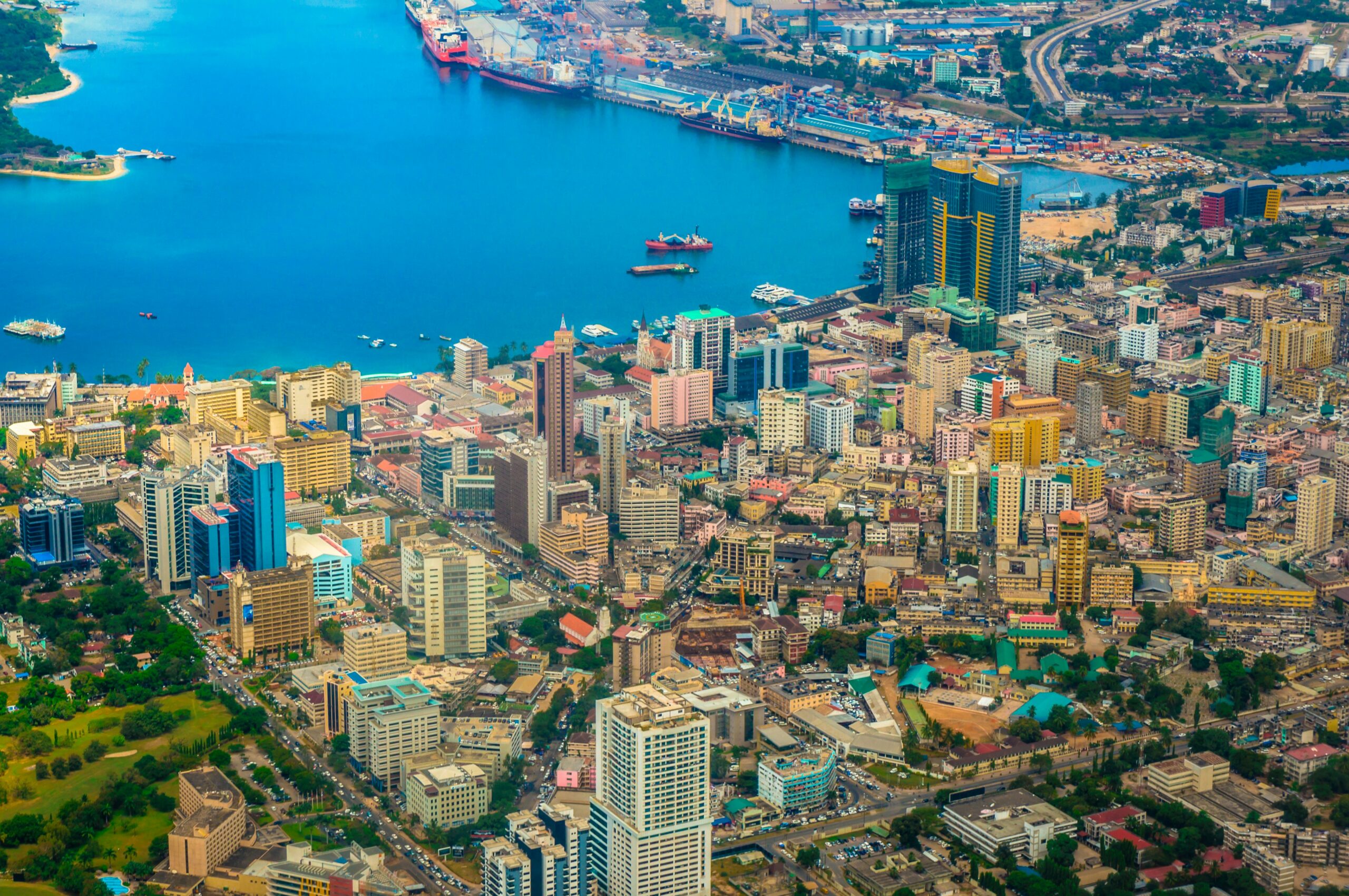
Zanzibar’s spice-scented archipelago delivers barefoot luxury across powder-white beaches where boats sail the clear blue waters of the Indian Ocean. Stone Town’s UNESCO World Heritage labyrinth reveals more than a millennium of Swahili culture through carved doors and bustling bazaars. Dolphins play in coral gardens teeming with tropical fish in the waters of Nungwi Beach, while local craftsmen are at work building traditional dhows nearby. Prison Island hosts Aldabra giant tortoises over 100 years old, and Jozani Forest protects the endemic and endangered red colobus monkeys. Breathtaking beaches, local hospitality with flavorful cuisine, historic landmarks, and sunset dhow trips with a glass of champagne in hand await as you discover the turquoise waters of Zanzibar!
Key Highlights:
🏖️ Pristine Beaches: Nungwi, Kendwa, and Paje (among others) with crystal-clear waters and stunning sunsets
🏛️ Stone Town: A UNESCO World Heritage Site with Swahili architecture and spice markets
🐢 Prison Island Tortoises: Aldabra giant tortoises over 100 years old
🐒 Endemic Red Colobus: Rare and endangered monkeys in Jozani Chwaka Bay National Park
🤿 World-Class Diving: Coral reefs with whale sharks and manta rays
🌶️ Spice Tours: Discover clove, cinnamon, and cardamom plantations—among other spices and tropical fruits—with expert guides
⛵ Traditional Dhow Cruises: Sunset sailing on traditionally handcrafted wooden vessels
🏨 Beach Resorts: Idyllic tropical escape and the world’s most beautiful beaches
🍤 Forodhani Gardens Night Market: Fresh seafood and authentic Zanzibari street food experiences